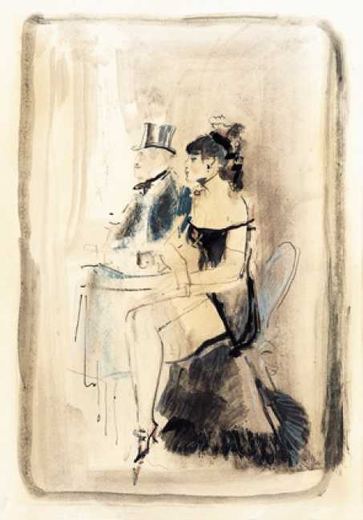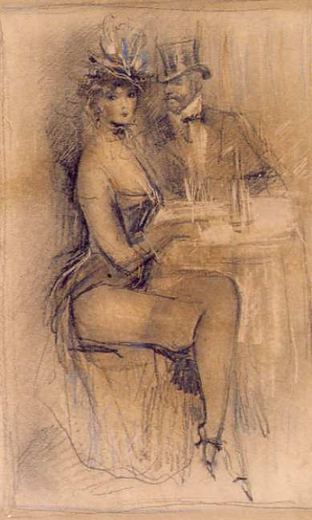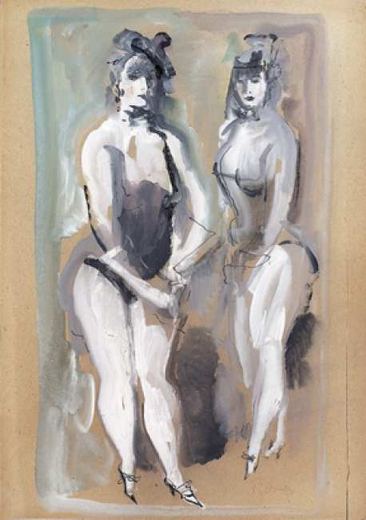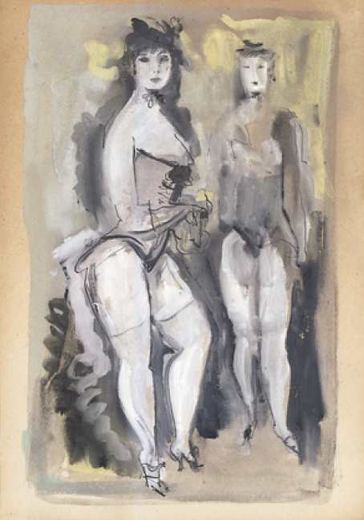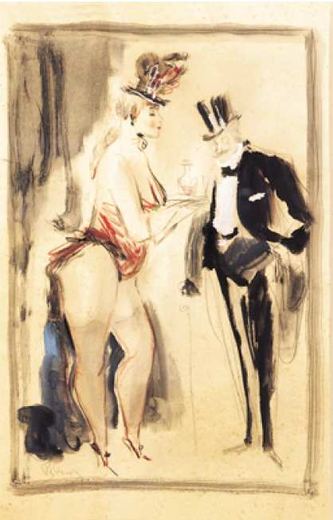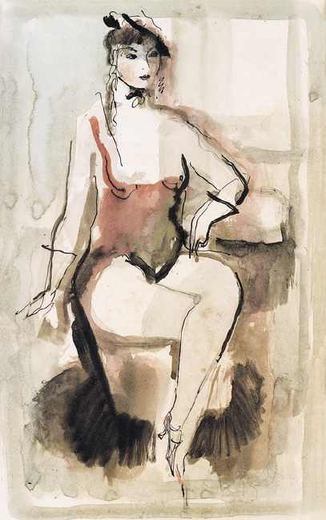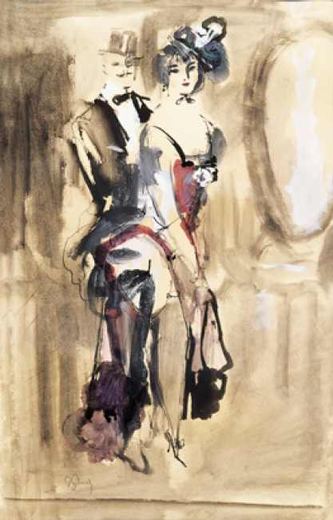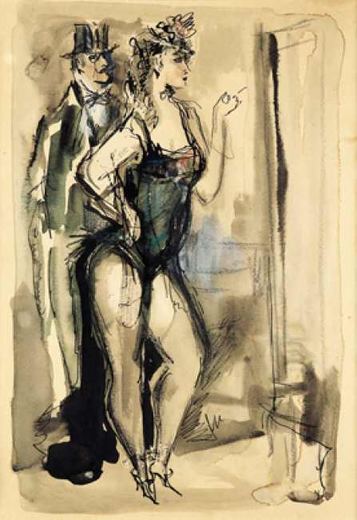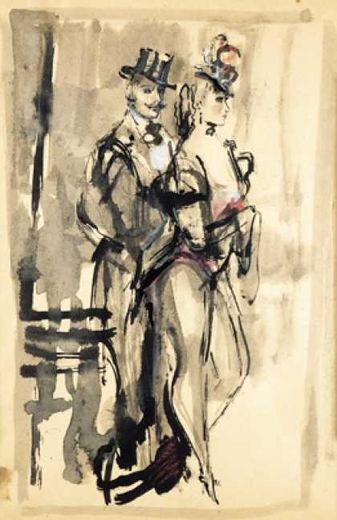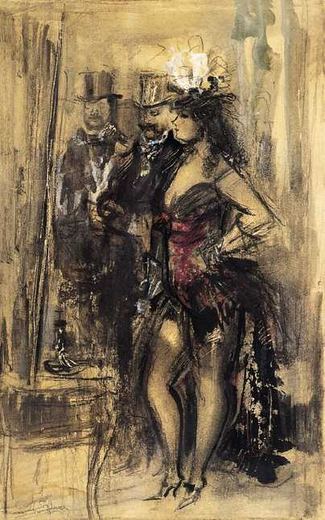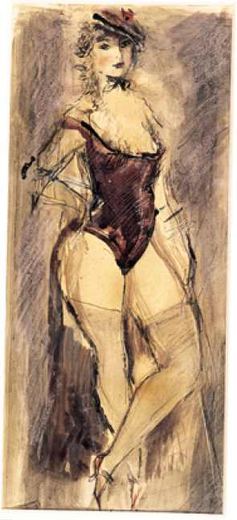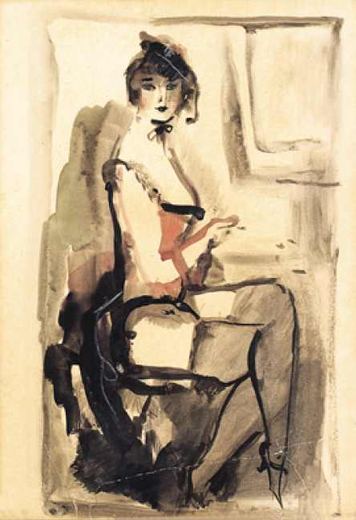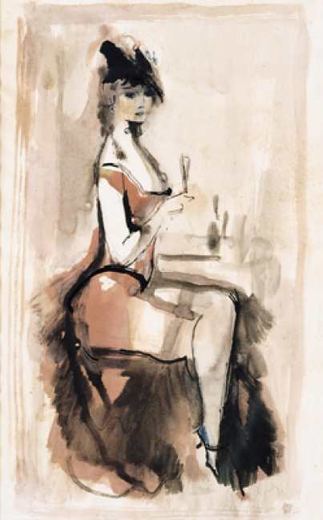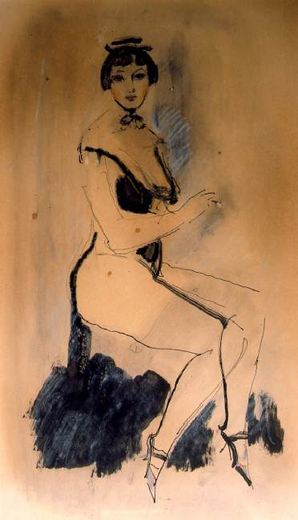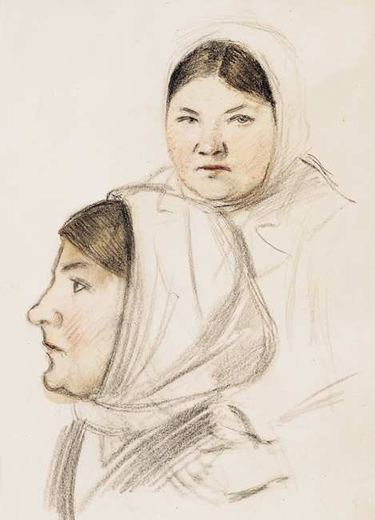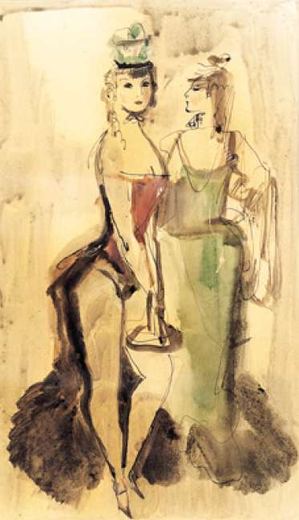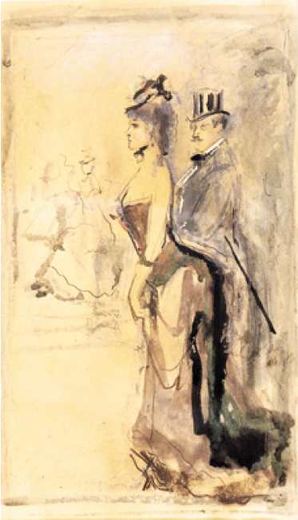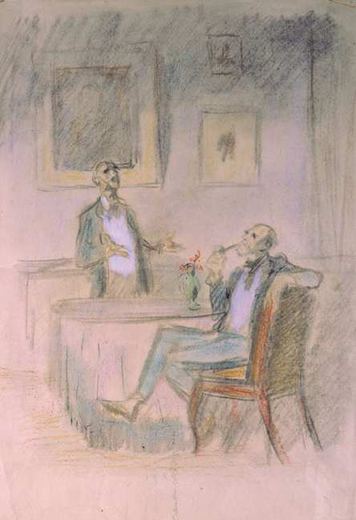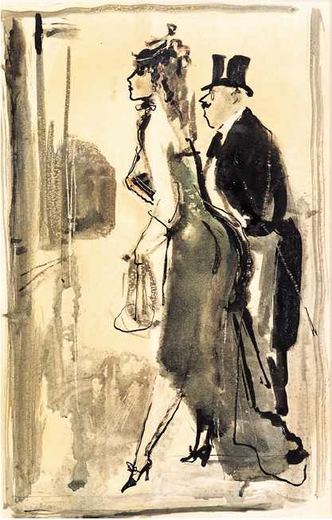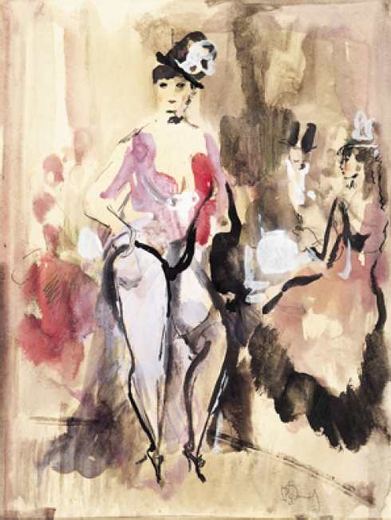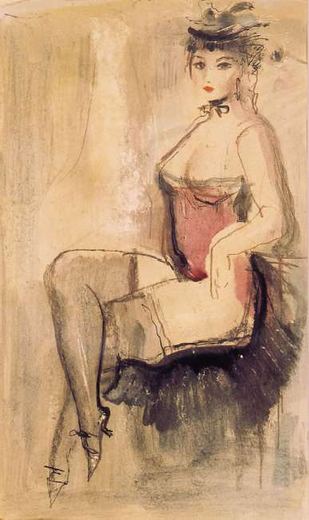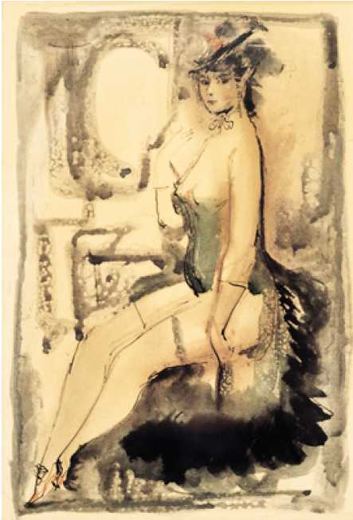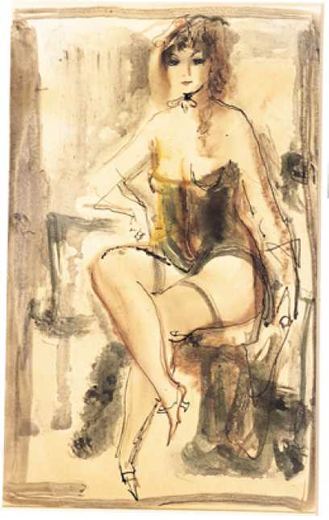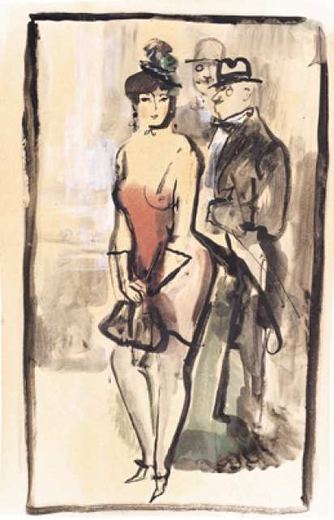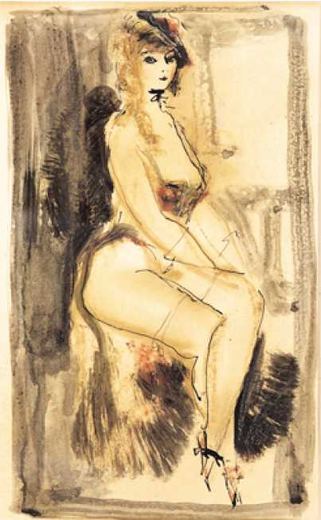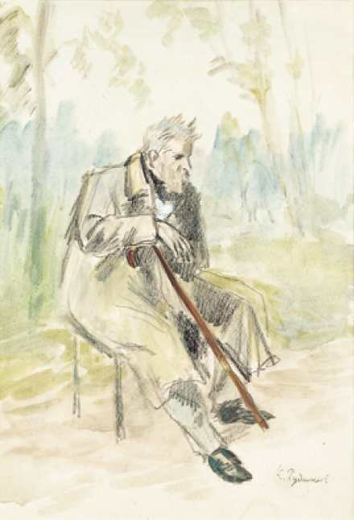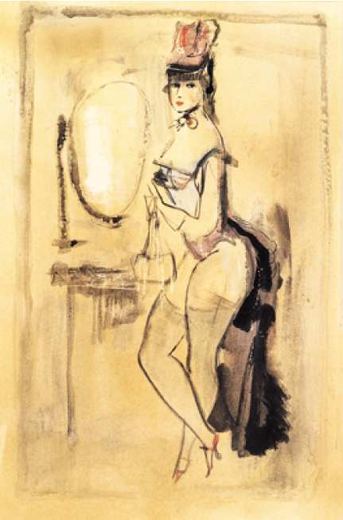
At the Cabaret Table
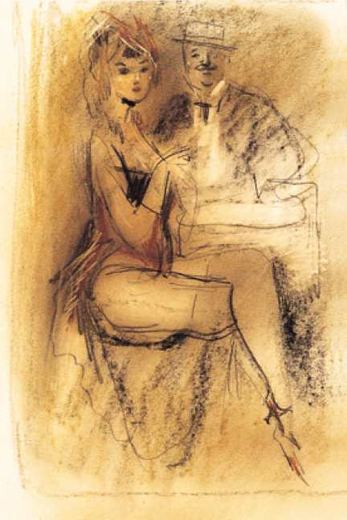
Konstantin Ivanovich Rudakov
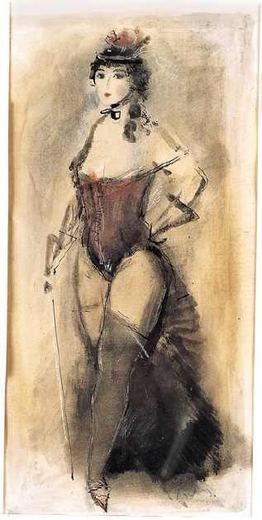
1925 · Pencil and pastel on paper · 19 x 29 cm
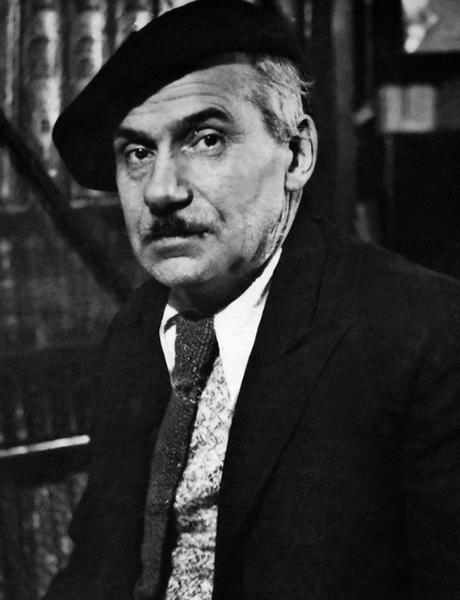
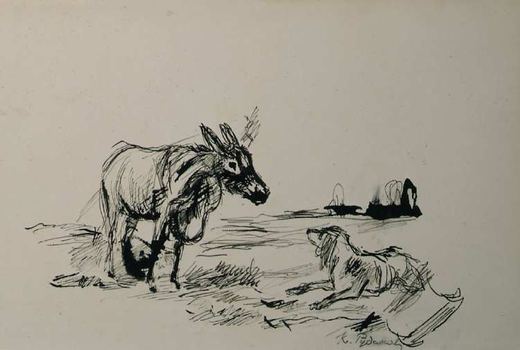
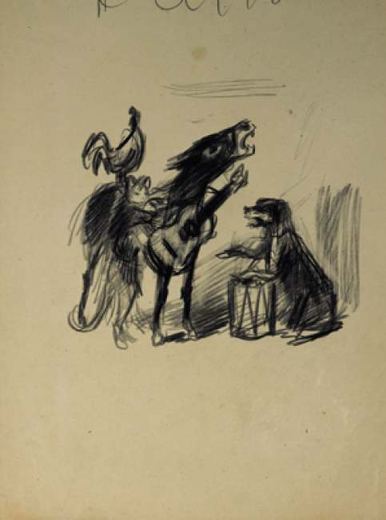
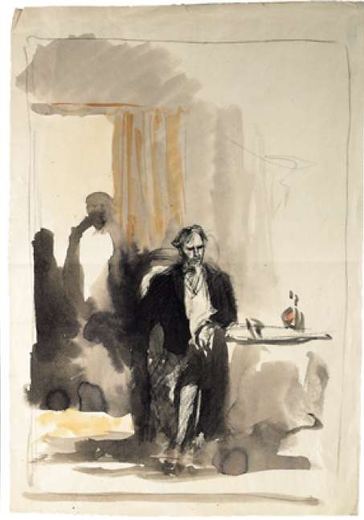
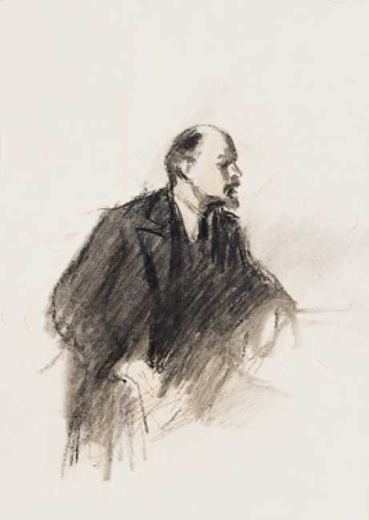
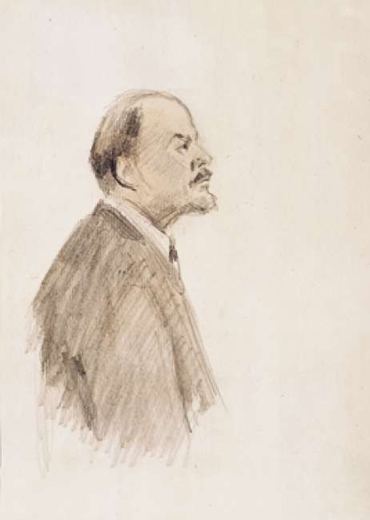
Konstantin Ivanovich Rudakov occupies a distinctive position within Russian-Soviet art of the twentieth century. He is not an artist of the loud, manifesto-driven Avant-Garde, but a master of line, watercolour culture, literary illustration and theatrical observation. His work stands at the intersection of Petersburg elegance, satirical modernity and Soviet cultural production. This is precisely where his significance lies for an ambitious collection of Russian art: Rudakov shows how the aesthetic refinement of the Silver Age lived on, changed and remained productive under Soviet conditions. Rudakov was born in Saint Petersburg into a family with direct links to the theatre; his father worked as a decorator at the Mariinsky Theatre. This background is far from incidental in art-historical terms. Rudakov’s work possesses an enduring scenic quality.
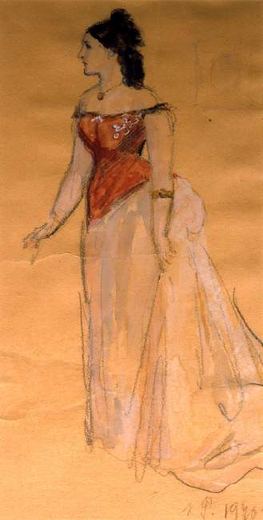
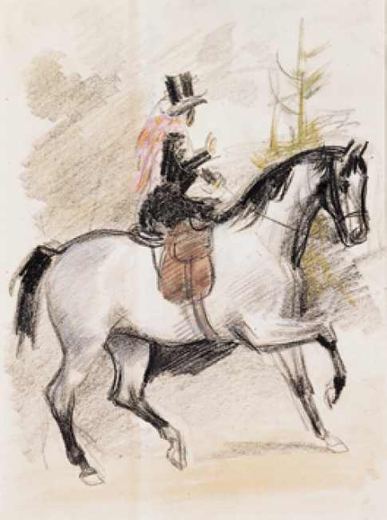
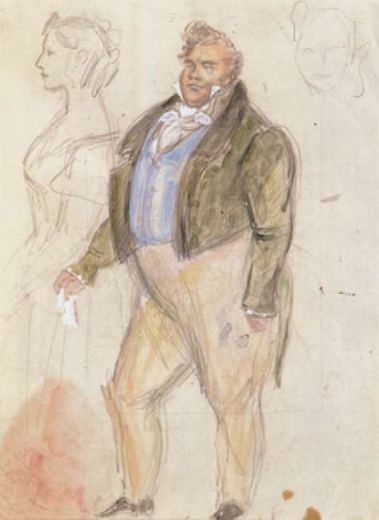
Figures often appear like actors caught in a precisely observed moment; gestures are exact; costume and posture carry psychological information; and even his literary illustrations read like small theatrical spaces. He studied in private studios and at the New Art Workshop, where Mstislav Dobuzhinsky, Yevgeny Lanceray and Boris Kustodiev taught - artists who embodied the legacy of Mir Iskusstva, book art and theatrical culture. He later continued his education at the Academy of Arts and its successor institutions in Petrograd, graduating in the class of Dmitry Kardovsky. In the 1920s Rudakov worked intensively for satirical magazines such as Chizh, Ezh, Begemot, Smekhach and Krokodil. This field sharpened his eye for social types, the comedy of everyday life and expressive abbreviation.
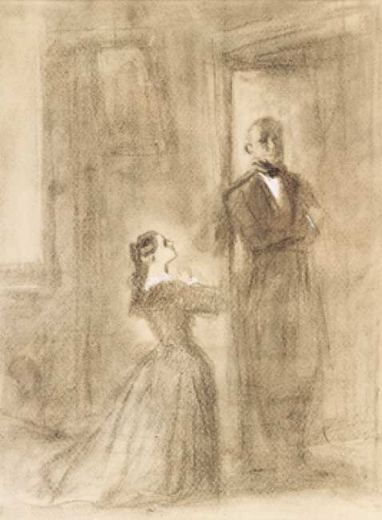
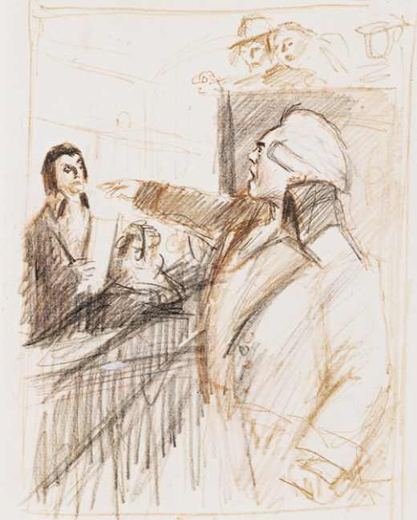
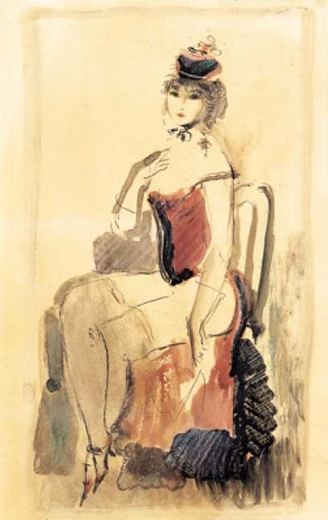
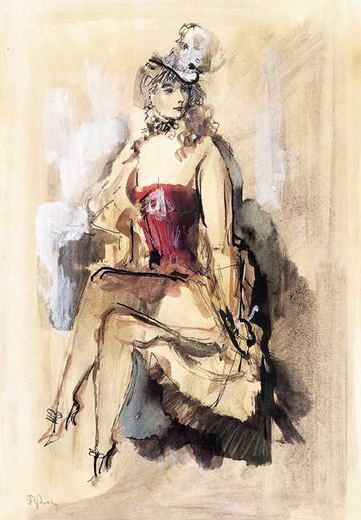
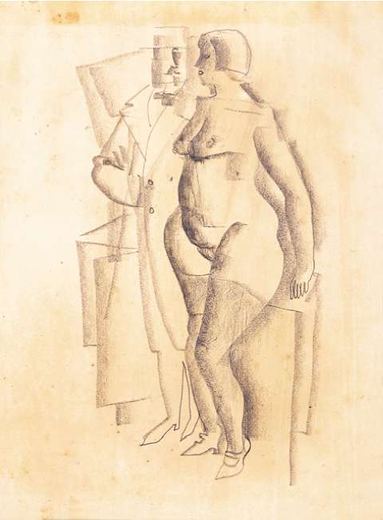
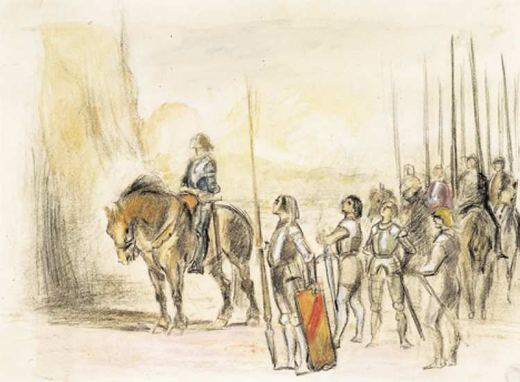
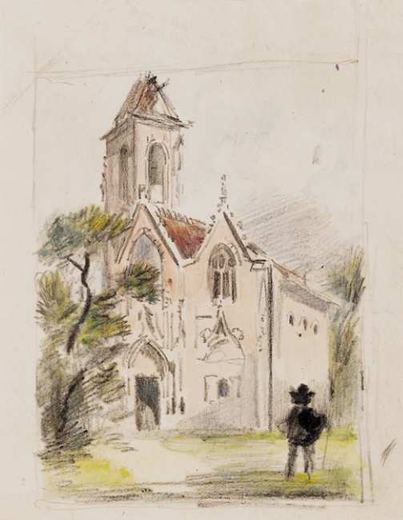
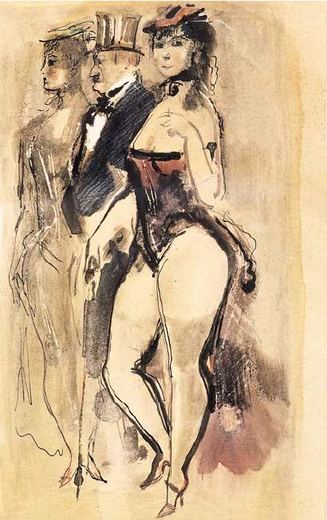
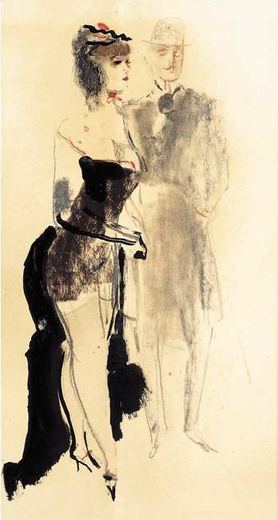
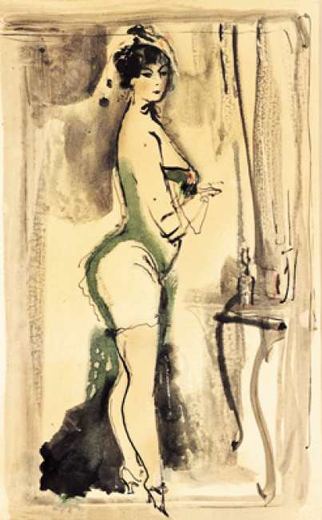
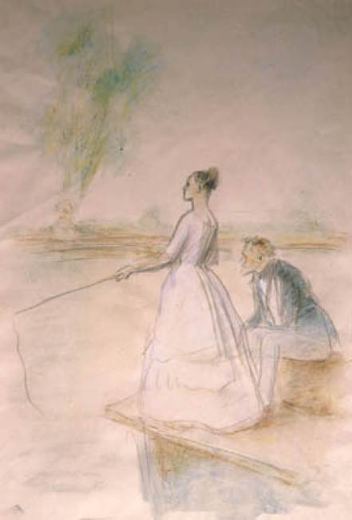
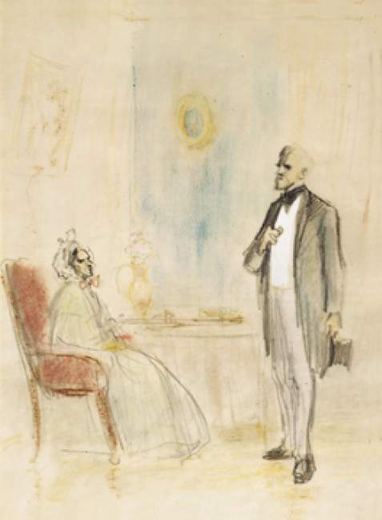
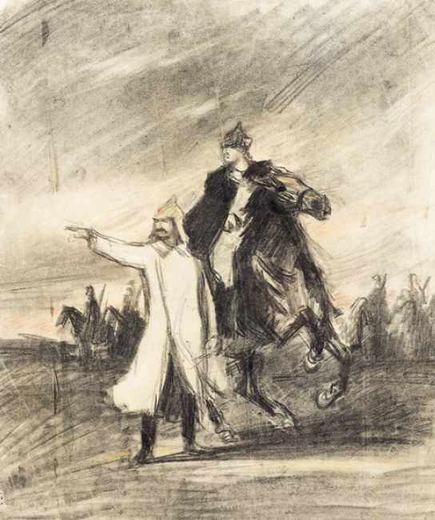
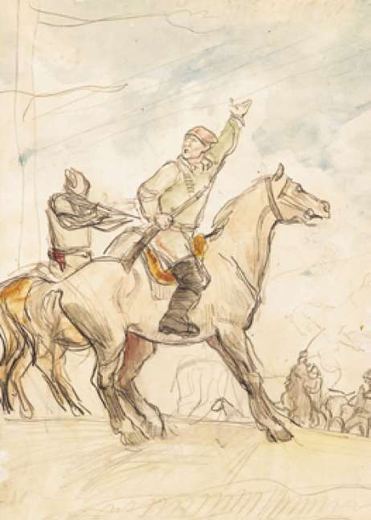
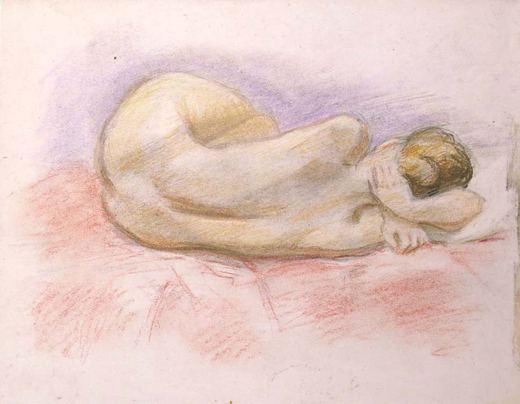
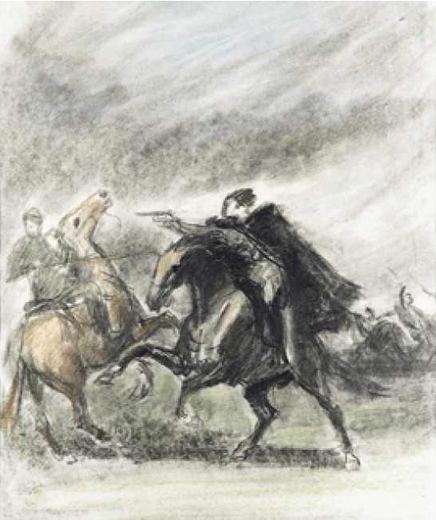
At the same time, he developed series of independent graphic works, including subjects related to NEP milieus, Western motifs and female nudes. Rudakov’s graphic art avoids crude agitation; it is agile, cultivated, often ironic and carried by an assured sense of character. His greatest art-historical afterlife, however, lies in book illustration. Rudakov illustrated works by Pushkin, Gogol, E. T. A. Hoffmann, Zola, Maupassant, Prévost and Tolstoy. The major cycles for the classics from the 1930s and 1940s in particular demonstrate his ability to translate literary atmosphere into an elegant, narratively concentrated visual language. His watercolours and drawings do not merely illustrate the plot; they interpret social bearing, psychological tension and historical atmosphere. Rudakov reads literature as a theatre of the gaze.
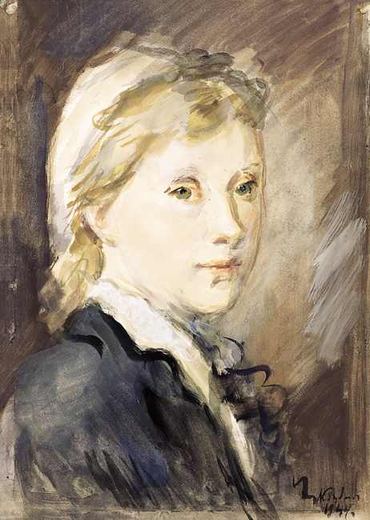
During the Siege of grad, Rudakov remained in the city and continued to work. The Russian Museum notes his portraits of grad women serving in civil air-defence units as well as his participation in agitational panels for the twenty-fifth anniversary of the October Revolution. This body of work adds further historical depth to his oeuvre: the elegant Petersburg line here meets the experience of war, siege and civilian endurance. Rudakov is therefore not only an illustrator and stylist, but also a witness to the Soviet wartime period.
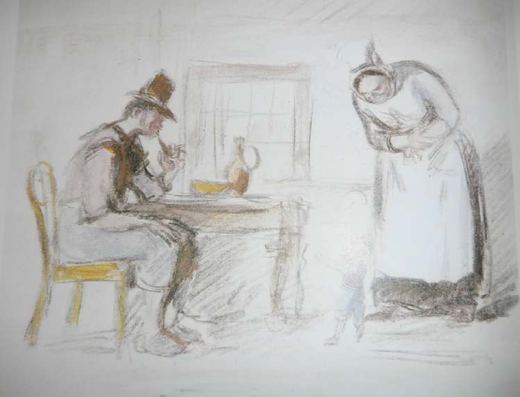
Rudakov’s visual language is essentially graphic. The line carries character, tempo and psychological precision. Watercolour does not function merely as a colouristic supplement; it creates atmosphere: light transparency, incidental elegance and subtle irony. His figures are often social observations in disguise: bourgeois types, literary heroines, actors, NEP figures, theatrical characters and historical personalities appear as carriers of a specific cultural attitude. Art-historically, Rudakov is an important figure of continuity. He does not continue the refined, literary culture of Mir Iskusstva in a nostalgic manner, but translates it into Soviet graphic art and book production. This is especially relevant for collectors: Rudakov represents a category of Russian art that is less spectacular than the Avant-Garde, yet extraordinarily significant for the cultural history of the twentieth century.
Within I tesori della Russia, Rudakov represents cultivated grad graphic art and literary-theatrical image culture. His importance lies in showing that Russian art cannot be described as a simple sequence of Realism, Avant-Garde and Socialist Realism, but rather as a network of transitions: Academy, Mir Iskusstva, satire, children’s books, classic literature illustration, theatre and wartime experience. For a high-level audience, Rudakov is especially interesting because his work requires connoisseurship. He is not a name that functions only through iconic individual images; his quality reveals itself through line, atmosphere, visual citation and literary sensitivity. Precisely such artists increase the intellectual credibility of a collection.